What Is Barossa Shiraz Like? A Guide to Power, Balance, and Style

1. The reputation and the reality
Barossa Shiraz carries a reputation that’s hard to ignore. High alcohol, dense fruit, bold oak, and an unmistakable sense of power often define how the region is described. For some drinkers, that reputation is exactly the appeal. For others, it’s the reason they hesitate.
The reality is more nuanced. Across the bottles we’ve opened and revisited over time, the region reveals not a single personality, but a spectrum: wines that can feel commanding or composed, generous or restrained, depending on how their elements are handled.
Understanding that balance is what makes Barossa Shiraz easier to enjoy and easier to choose.
2. Power doesn’t have to shout
Alcohol and body are often the first things people notice in these wines. Many sit comfortably above 14%, and some climb higher. But alcohol alone doesn’t determine how powerful a wine feels.
In the better examples, warmth arrives gradually, felt more as breadth and presence than heat. Body matters more than numbers here. A wine with weight and flow can feel controlled even at higher alcohol, while a leaner structure can make that same warmth feel sharper.
What separates the two is integration. When alcohol is carried by fruit, acidity, and texture together, power becomes part of the experience, not a distraction from it.
3. Fruit, restraint, and why some wines feel “quiet”
Ripe fruit is central to the Barossa identity, but it doesn’t always announce itself loudly. In some bottles, fruit leads immediately: dark plum, blackberry, sometimes edging toward jam. In others, it stays folded into the structure, emerging slowly with air or food.
These wines can feel “quiet” at first sip. Not empty. Not thin. Just measured.
We’ve found that restraint often shows up as tension rather than softness. Fruit is present, but it doesn’t dominate. It shares space with acidity, oak, and tannin, creating a wine that asks for attention instead of offering instant reassurance.
This isn’t about less flavour. It’s about pacing.
4. Oak as structure, not flavour
Oak is one of the most misunderstood elements in the region. When it’s poorly integrated, you notice it immediately: sweetness, toast, or spice sitting apart from the fruit.
When it’s handled well, oak acts more like a frame. It shapes the wine’s outline, supports the fruit, and gives the palate something to hold onto as flavours move across it.
In these wines, oak often contributes savoury depth rather than sweetness. Cedar, clove, and dry spice sit beneath the fruit, adding composure rather than volume. You may not always taste oak as a distinct note, but you feel its influence in the wine’s posture and finish.
5. Tannins: grip, shape, and finish
Tannins are often described as bitterness, but that definition doesn’t help much. In practice, tannins are about shape.
Here, they tend to grip the gums and cheeks rather than scrape the tongue. They build gradually, holding the wine together through the mid-palate and into the finish. In younger wines especially, that grip can feel firm, sometimes even stern, but it’s rarely aggressive for its own sake.
With time, air, or food, those same tannins often soften in feel without disappearing. They remain present, but less insistent, giving the wine length rather than resistance.
6. Why food doesn’t always soften these wines
It’s often said that food “tames” big reds. In reality, food reshapes them.
Salt can lift fruit or sharpen acidity. Fat can smooth texture but push oak forward. Sweetness can either soften tannins or make structure feel more pronounced. That’s why the same wine can feel generous beside one dish and austere beside another.
We’ve noticed that many Barossa Shiraz wines don’t melt into food; they respond to it. The structure stays intact, but different elements step forward depending on what’s on the plate.
This responsiveness is part of their appeal, even when it surprises.
7. How this shows up in real bottles
Across ATC’s Barossa Shiraz reviews so far, certain patterns begin to emerge, not as rules, but as tendencies shaped by site, intent, and handling.
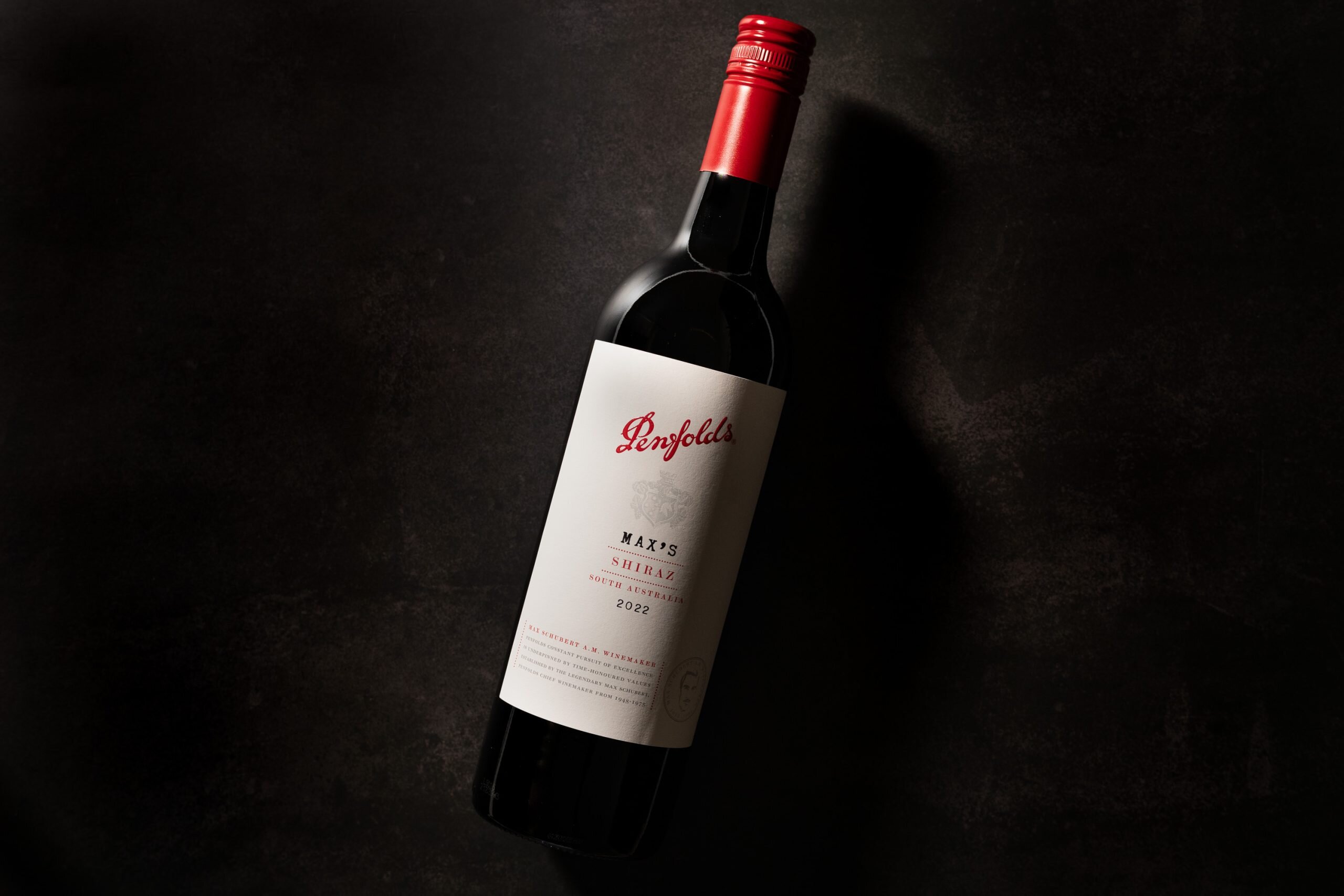
Some wines lead with structure and reward patience. Bottles like Torbreck Woodcutter’s Shiraz and Penfolds Max’s Shiraz arrive firm and upright, where grip, acidity, and restraint define the experience more than immediate generosity. These are wines that make their point over a meal, not in the first sip.
Others offer richness first, then reveal firmness beneath. Hewitson Strawberry Hill Shiraz opens with fruit-forward ease, but as the glass empties or food enters, structure steps forward, tightening the frame and shifting the balance from sweetness to shape.
A smaller group balances both from the outset, feeling complete yet still capable of evolution. Elderton Barossa Shiraz and Lone Palm Hillside Shiraz sit comfortably here: composed on entry, guided by oak and tannin, and more revealing with attention rather than persuasion.
Taken together, these wines reinforce the same idea: Barossa Shiraz is not a single expression, but a spectrum, unified by power and defined by how that power is handled.
8. Barossa as a spectrum, not a stereotype
Barossa Shiraz isn’t just about intensity. It’s about how intensity is managed.
At its best, the region produces wines that feel deliberate, shaped by structure, guided by restraint, and capable of evolving with time and context. Some are generous, some are firm, and many sit somewhere in between.
For drinkers deciding whether it’s worth the splurge, the real question isn’t how bold a wine is; it’s how that boldness is expressed.
And that’s where Barossa Shiraz begins to reward attention.

Written by Adrian, Editor at All That Is Cool